Digital assets and tools for circular value chains and manufacturing products
• 15 partners • 10 countries • 5.99M • 42 months
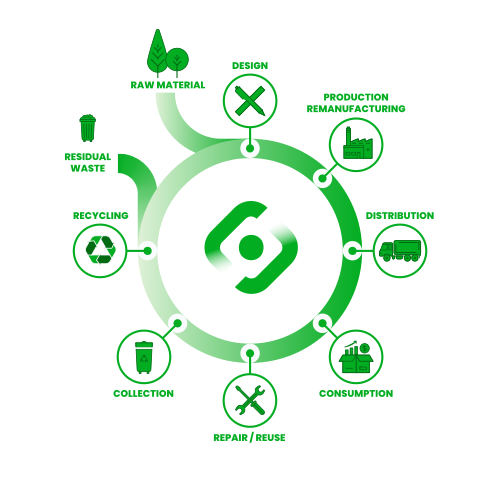
DaCapo aims at the creation of human-centric digital tools and services for improving the adoption of Circular Economy (CE) strategies along both manufacturing value chains and products lifecycle.
These tools and services, focused on the introduction of new digital assets, AI-based systems and the application of process and product Digital Twins, will substantially improve the sustainability and efficiency of imported and critical raw materials in manufacturing.
Trainings
The DaCapo Webinar Series hosted by the POLIMI School of Management Manufacturing Group, is designed to equip professionals with the insights and strategies needed to drive business, technological, and social innovation in Circular Manufacturing.
During this webinar, we're presenting the key features of the IoT Agent AAS developed by Engineering Group (ENG) and demonstrate how it has been applied in one of DaCapo’s use cases (e.g., the GKN Aerospace fan blade refurbishment case). The IoT Agent AAS provides a single, consistent data format and enables seamless integration with digital tools. It acts as a practical bridge between the Asset Administration Shell (AAS) - a semantically rich and expressive model - and NGSI, a flattened and simplified context format widely used for integrating FIWARE-based smart and intelligent applications (e.g., DaCapo digital assets). By automating AAS data discovery, mapping, and synchronization, the Agent accelerates integration processes for Circular Manufacturing scenarios with minimal human intervention.
Further Reading
Presentation in PDF
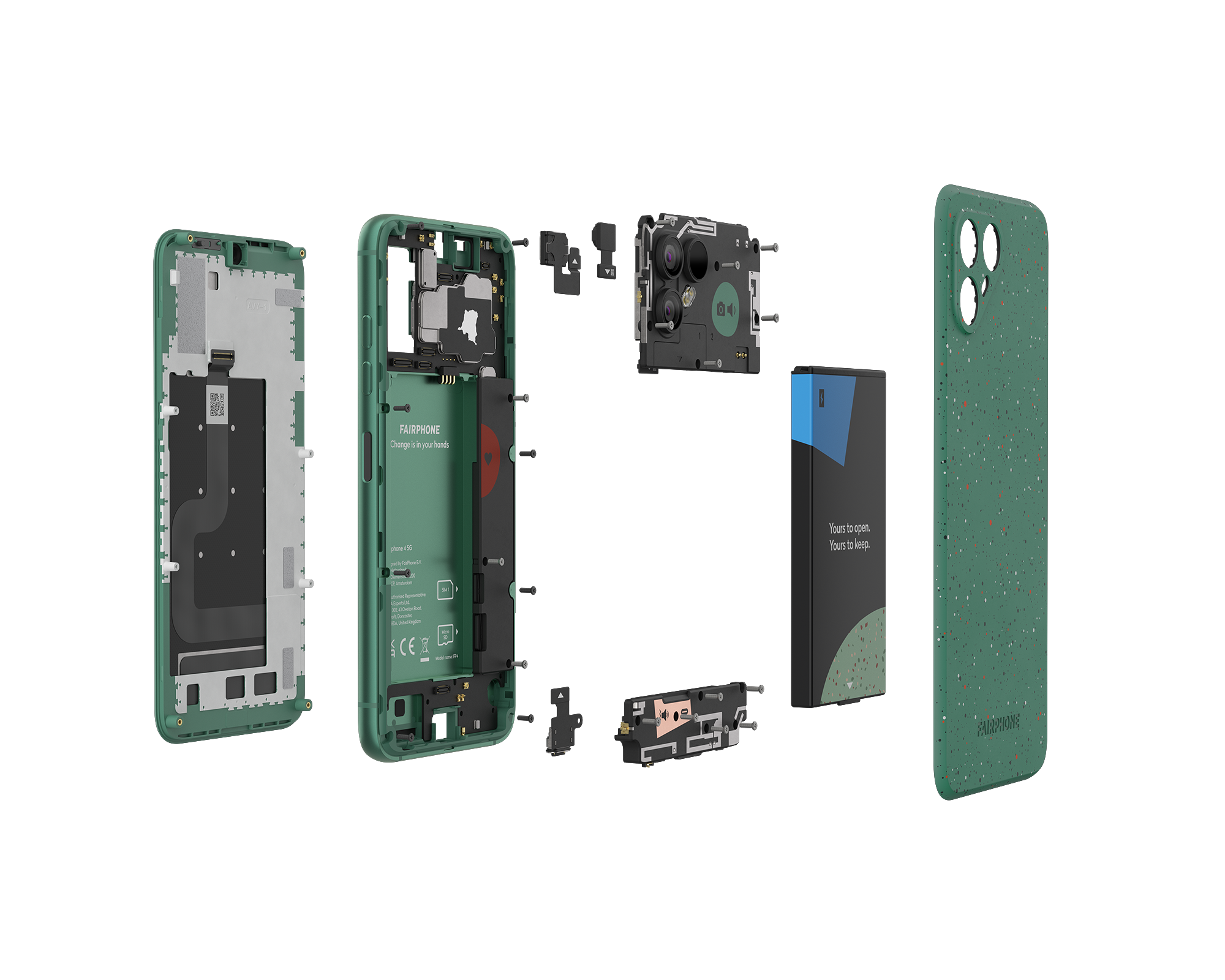
This webinar provides an overview of DisAssembler, an innovative decision-support tool developed by Politecnico di Milano within the DaCapo Horizon Europe project, with insights from Fairphone use-case.
DisAssembler is a standalone software tool designed to support repair operators, technicians, and recyclers in identifying the optimal disassembly path required to access a specific component inside a consumer electronic device. By computing the minimum set of disassembly steps needed, the tool significantly reduces repair time, effort, and the risk of unnecessary damage, directly addressing one of the key barriers to effective electronics repair and reuse.
Further reading
Presentation in PDF
This webinar is designed for companies of all sizes that want to learn how to take the first concrete steps toward DPP readiness. During the session, the DPP Playbook, developed in the FINNPASS (Finnish DPP coordination project), is presented. Whether you are a manufacturer or a supplier, the webinar will guide you through the playbook’s most practical checklists, templates, and tips. No prior DPP knowledge is required.
The webinar is organised within the DaCapo project by VTT Technical Research Centre of Finland, and the content has been developed in the FINNPASS and DaCapo projects.
Further reading
Presentation in PDF
Generative AI is reshaping the landscape of product development, offering unprecedented capabilities to explore, evaluate, and optimize designs under complex sustainability constraints. In this talk, we delve into how generative models—such as diffusion models, VAEs, and GANs—can be leveraged to accelerate sustainable product design across multiple dimensions, including material efficiency, recyclability, modularity, and lifecycle impact. We’re presentingstrategies to integrate environmental data and circularity metrics into the generation process, enabling AI to not only create novel design alternatives, but also to assess them in terms of ecological and functional performance. Case studies from materials engineering, remanufacturing, and additive manufacturing illustrate how generative AI can support early-stage decision-making, reduce iteration time, and promote circular design principles. The talk aims to provide both conceptual insight and practical frameworks for deploying generative AI as a catalyst for sustainable innovation.
Further Reading
Presentation in PDF
In the context of industry and manufacturing, the interface between humans and machines plays a crucial role in ensuring efficiency and productivity. This webinar, brought by UNIMORE (UniversitĂ degli Studi di Modena e Reggio Emilia ), explores how a user-centered design approach can transform complex systems into intuitive and efficient tools, enhancing the interaction between operators and technology. Use cases and design strategies are presented, focusing on Human-Machine Interfaces (HMI) and industrial dashboards, with particular attention to ergonomics, operational context and workflow optimization.
Further reading
This webinar was co-delivered by DaCapo project partners LMS (Laboratory for Manufacturing Systems & Automation) and AIMEN Technology Centre. It explores how digital twin technologies can be leveraged to enhance circularity across manufacturing operations, focusing on process optimisation, real-time monitoring, and closed-loop production systems.
What to expect
Gain insights into practical applications, current research developments, and lessons learned from industrial case studies.
Further reading
Presentation in PDF
During this insightful webinar we’re introducing GRETA, an innovative sustainability assessment tool created by the University of Applied Sciences and Arts of Southern Switzerland (SUPSI) as part of the DaCapo project.
GRETA is a web-based, microservices-driven application specifically designed to assess the sustainability and circularity performance of products and processes within manufacturing environments. Through its advanced diagnostic and advisory features, GRETA empowers users to optimize their manufacturing practices and make informed, data-driven decisions to improve environmental, economic, social, and circular performance.
To enhance your understanding of this powerful tool, this webinar features a practical use-case demonstration, illustrating GRETA's functionalities in a real-world manufacturing context.
What to expect
Expert Insights: Learn from SUPSI experts about sustainability modelling and evaluation.
Practical Tools: Gain hands-on knowledge of the GRETA sustainability tool.
Interactive Learning: Engage in live Q&A sessions to make the content relevant to your challenges.
Professional Development: Take away actionable insights to assess sustainability in your organisation.
Further reading
Explore the 6Ps Maturity Model for the Twin Transition developed by the POLIMI School of Management Manufacturing Group within the framework of the Circular TwAIn project. The maturity model contains six main dimensions (i.e., Product, Process, Platform, People, Partner, Performance) to guide end-users in assessing SMEs' maturity and creating an improvement plan towards higher circularity levels.
What to expect
Expert Insights: Learn from POLIMI experts in circular and digital manufacturing.
Practical Tools: Gain hands-on knowledge of the 6Ps maturity model, its dimensions and questions.
Interactive Learning: Engage in live Q&A sessions to make the content relevant to your challenges.
Professional Development: Take away actionable insights to assess and plan the implementation of circularity-oriented practices with the support of digital technologies.
Further reading
Explore the key sustainability and circularity KPIs that are transforming manufacturing. In this session, Quentin Aubert, Environmental Science Engineer at CEA, introduces a comprehensive list of indicators to evaluate the sustainability and circularity of manufacturing products and processes.
What to expect
A clear understanding of the core concepts of circularity and sustainability.
Insight into navigating and utilising a comprehensive indicator list.
The ability to select the most relevant indicators for your specific needs.
An introduction to the methods for calculating these important indicators.
Further reading
Discover the innovative Agile Methodology developed by the DaCapo project to boost the awareness and adoption of circularity strategies among SMEs. This methodology guides end-users - such as circularity consultants, researchers, and DIHs - through a comprehensive framework tailored to their specific needs.
What to expect
Expert Insights
Learn from TNO's experts on agile practices and their real-world applications.Practical Tools
Gain hands-on experience with the agile methodology developed that enhances adaptability and collaboration.Interactive Learning
Engage in live Q&A sessions and polls to address your unique challenges.Professional Development
Walk away with actionable strategies to implement circularity principles in your organisation.
Further reading
News
The Project
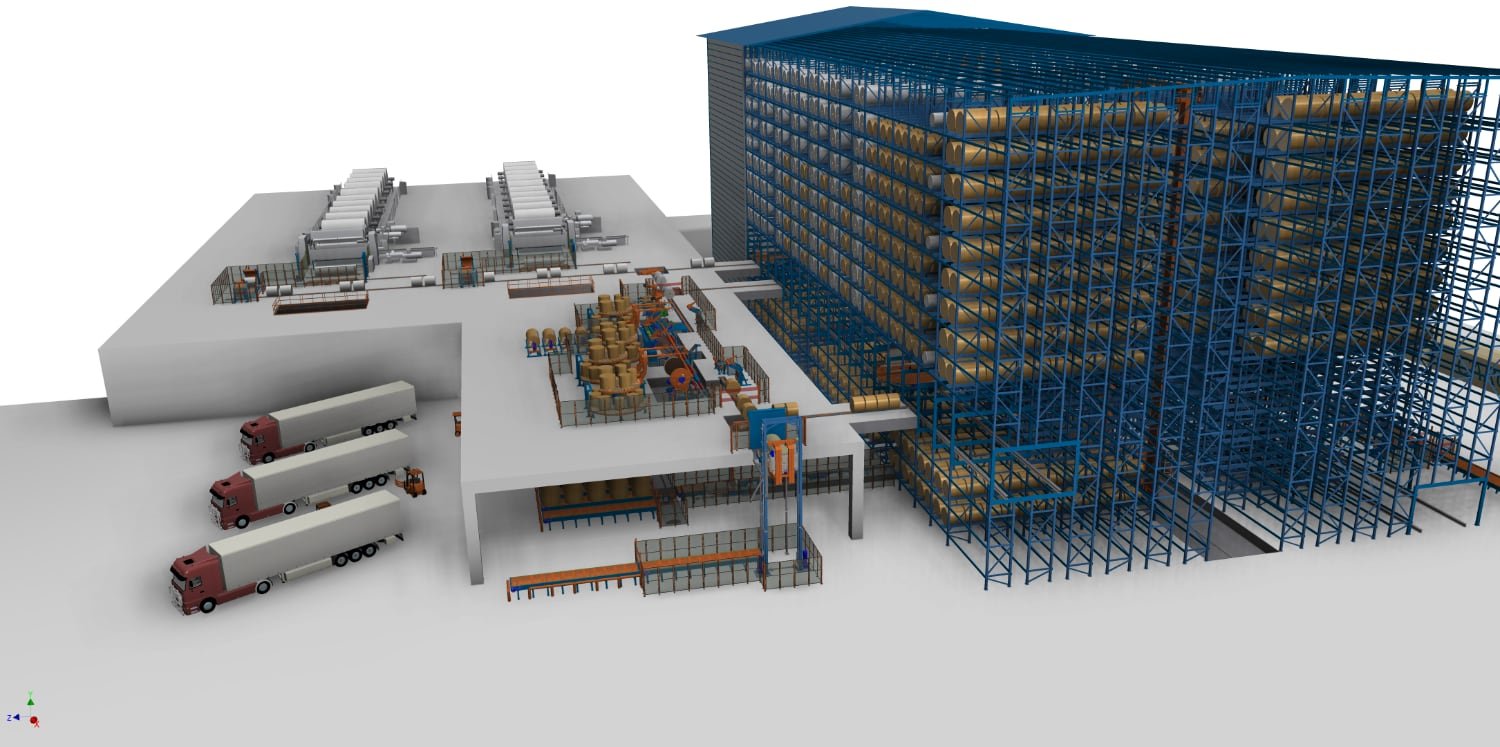
DaCapo will demonstrate its applicability on 3 EU critical value chains in the following production environments:
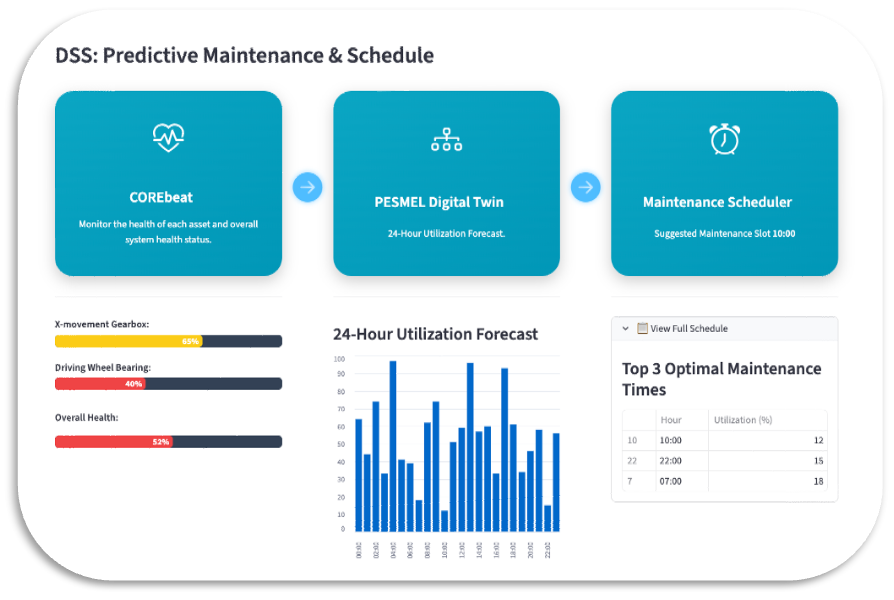
Discover how intelligent Decision Support Systems (DSS) and AI can empower smarter decisions in repair, reuse, recovery, and remanufacturing, contributing to a more sustainable and circular future.
Organised by Politecnico Di Milano (POLIMI) and presented by CORE Innovation Centre (CORE IC), this webinar explores, among others, the DSS solutions developed in the DaCapo project and the Remanufacturing Guidance System (RGS) from the reman project.
Further reading
Presentation in PDF